Few voices in Italian football carry the emotional and moral weight of Roberto Baggio.
The man widely regarded as the greatest Italian footballer of his generation, a player whose brilliance elevated the Azzurri to heights they have since struggled to even glimpse, has spoken candidly about the crisis eating away at the Nazionale – and the message is one that the FIGC would do well to hear.
Sitting down with Corriere della Sera to promote his autobiography Luce nell’oscurita, Baggio ranged across the full arc of a remarkable life in football – from the wound of 1994 to the warmth of lasting friendships – but it was his diagnosis of Italian football’s present condition that demands the most urgent attention.
The Streets Are Silent: Baggio’s Damning Verdict on Italian Talent Development
Baggio was characteristically direct when asked about Italy’s failure to qualify for the World Cup for the third consecutive time – a streak of absence so painful it has begun to feel structural rather than circumstantial.
“There are so many things to fix. Kids aren’t playing in the street anymore. And in Serie A, there are not many Italians. If you have to go and get a player from somewhere else and naturalise them, it means that you haven’t been able to find an Italian ready at the same level.”
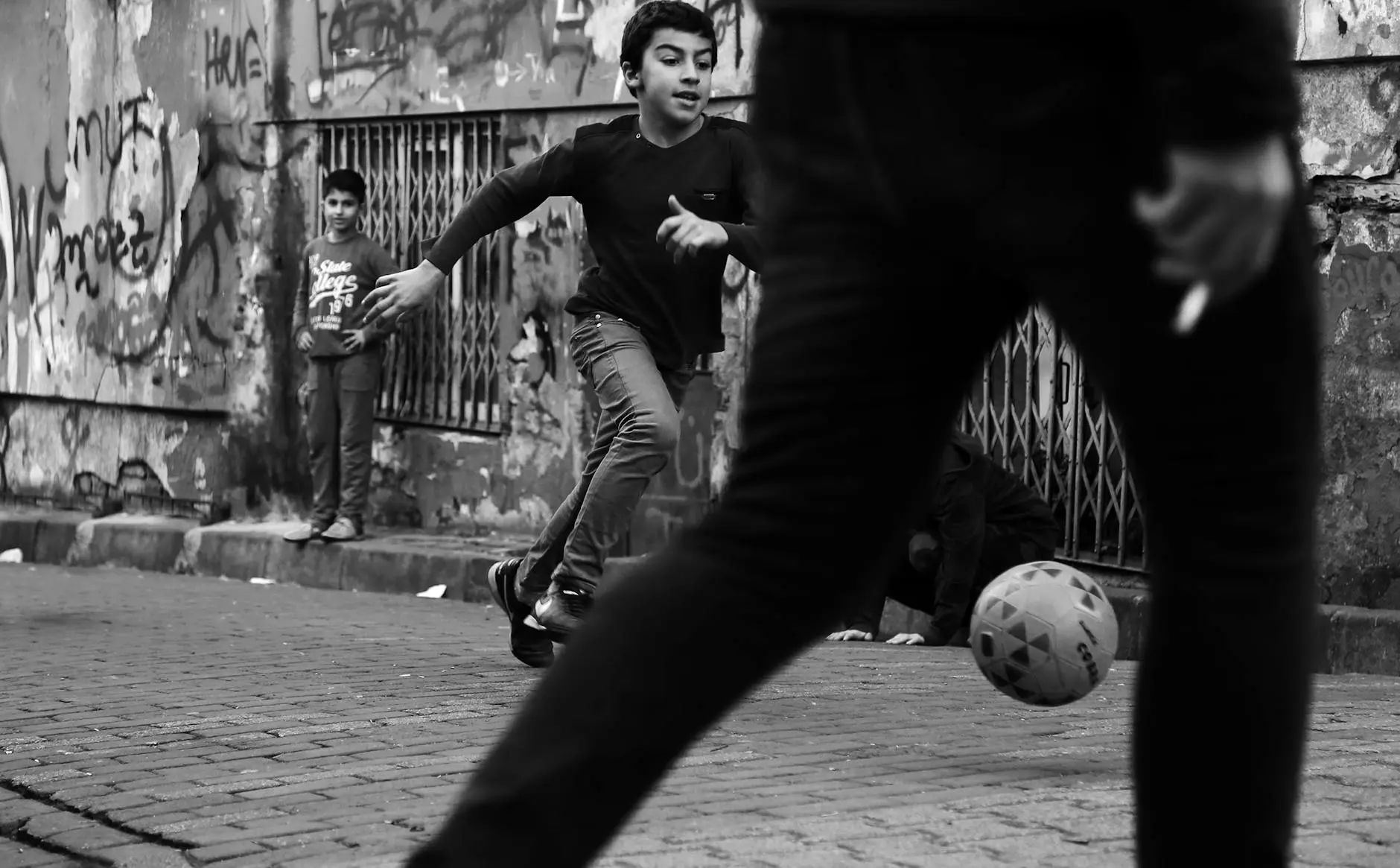
The diagnosis is blunt, and it is correct. The grassroots erosion Baggio identifies is not a new problem – it is a slow collapse that has been accelerating for two decades.
When a generation of children stops kicking a ball in the courtyard, on the piazza, against the garage wall, something irreplaceable disappears: the instinct, the craft, the furbizia that cannot be coached on a training pitch.
“We need to create a formula that really encourages the use of Italian youngsters. The talent is still there, but we have to seek it, protect it and recognise the value. And you need to have the courage to trust them.”
That word – courage – lands with particular force from a man who knows better than anyone what it means to carry the weight of a nation.
A Warning Ignored: Baggio Has Been Here Before
What gives Baggio’s words their sharpest edge is not just his playing legacy but his institutional experience.
As President of the FIGC’s Technical Sector between 2010 and 2012, he authored a comprehensive report calling for strengthened academies, grassroots investment, and a meaningful reduction in reliance on foreign imports.
The federation largely shelved it. Baggio resigned in frustration.
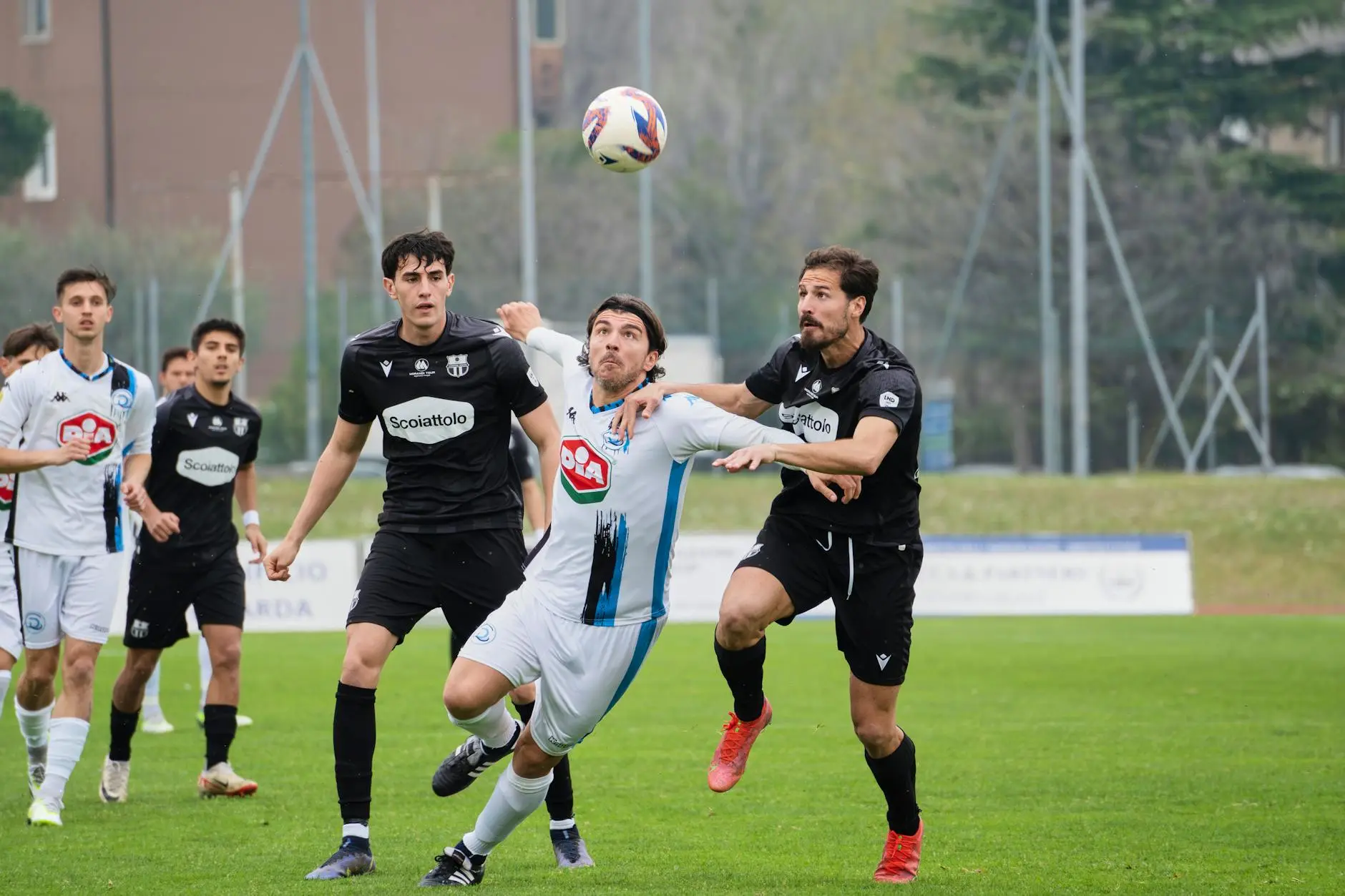
The statistics that followed are damning. By the 2024-25 season, Serie A clubs fielded nearly three times as many foreign players aged 18 to 22 as Italian ones.
The U21 side stumbled through the Euro 2025 group stage with a single win from three games, while the U19s failed to qualify for the 2026 Euros entirely – their worst run since 2007.
Italy has now missed three consecutive World Cups.
The most recent absence – a playoff defeat to Bosnia and Herzegovina under Gennaro Gattuso – was met with shock and grief in equal measure.
Baggio watched all of it. He has watched it coming for fifteen years.
A Generation Lost: Italy’s World Cup Curse Deepens
The broader picture facing Italian football is one that Baggio’s comments illuminate but cannot fully contain.
The 2018 and 2022 absences were treated as aberrations – painful, shameful, but recoverable.
A third consecutive failure has forced a reckoning that can no longer be deferred.
Baggio is not alone among the legends in raising his voice.
Legendary goalkeeper Dino Zoff has also condemned the culture around the national team, suggesting that the problems run deeper than tactics or squad selection.
The pattern of senior figures speaking out is becoming impossible to ignore – and the consistency of the message across generations is itself an indictment of the federation’s inaction.
The talent Baggio insists is still there may well exist. But talent buried under a system that prioritises foreign imports over patient development does not automatically find its way to the surface.
It needs the infrastructure, the philosophy, and above all, the will to give it space to grow.
The Road Ahead: Will Anyone Listen This Time?
With FIGC president Gravina’s era drawing to a close and a new leadership cycle approaching, there is at least a theoretical window for the kind of structural reform Baggio has advocated for over a decade.
Gattuso’s task of rebuilding a squad capable of competing at Euro 2028 is enormous, and the injury absences and selection dilemmas that continue to plague the Nazionale offer little short-term comfort.
Baggio has said his piece – not for the first time, and with the quiet authority of someone who has earned the right to be listened to.
The question, as it has been for fifteen years, is whether Italian football finally has the courage he is calling for.