Italian football does not do quiet rebuilds. Every reset arrives trailing wreckage – a resignation, a penalty shootout, a humiliation that rewrites the national mood.
This summer is no different. The Azzurri are without a permanent coach, without a World Cup place, and without a coherent answer to the question that has haunted the Nazionale for nearly a decade: where, exactly, is the next generation?
The answer, it turns out, may be wearing black and yellow.
Baldini’s Gamble: A Squad Built for the Future, Not the Present
Interim coach Silvio Baldini – brought in from the Under-21 setup after Gennaro Gattuso resigned following the play-off defeat to Bosnia and Herzegovina that confirmed Italy’s absence from the 2026 World Cup – has named a squad of striking youth and deliberate intent for June friendlies against Luxembourg and Greece.
The average age is 20 years and six months. Baldini was unambiguous about his philosophy: there was, in his own words, “no point” recalling the established Azzurri core. This window belongs to the next cycle.
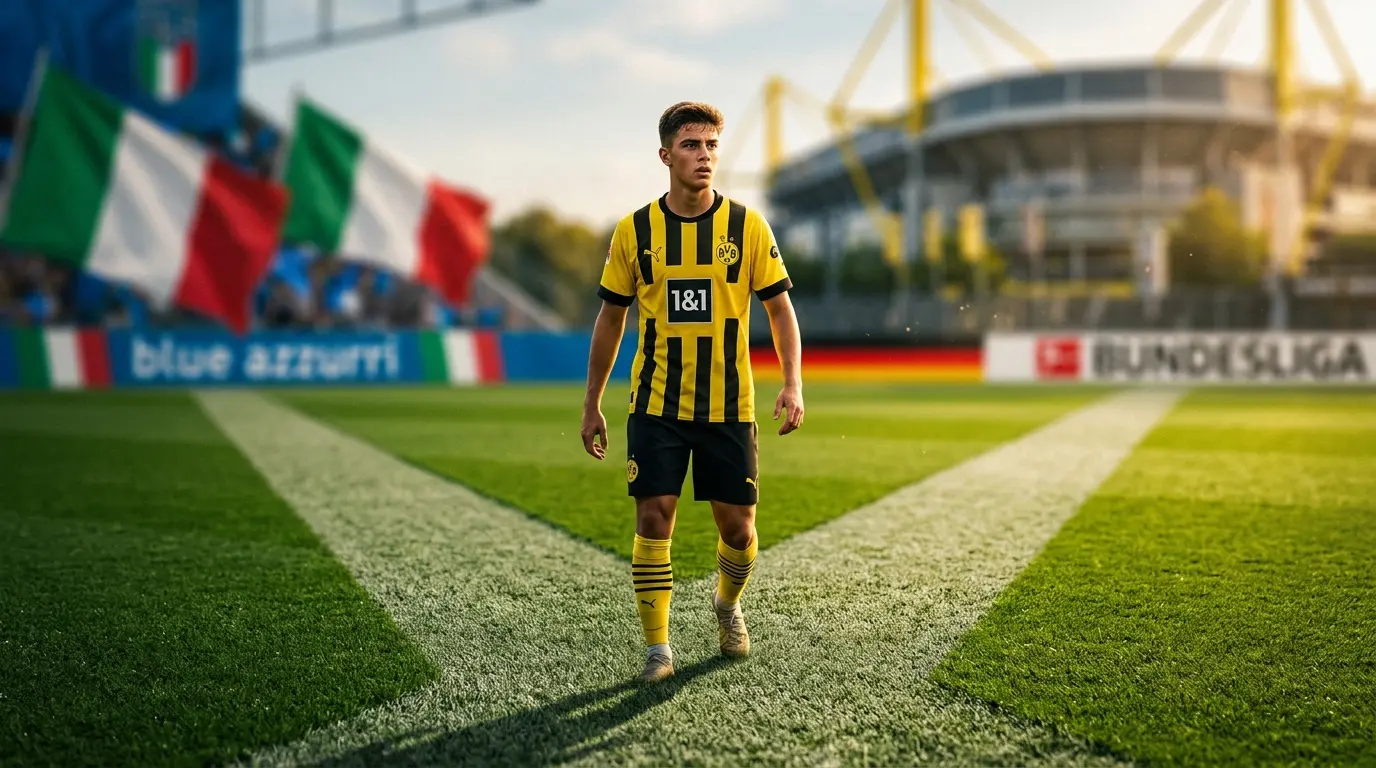
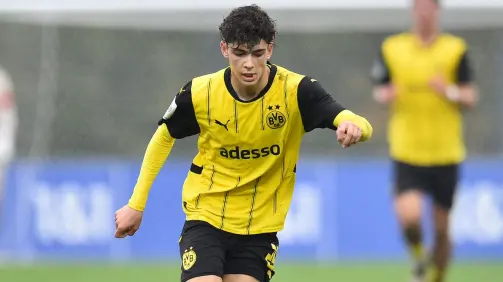
Three of the most intriguing inclusions wear the colours of Borussia Dortmund. Samuele Inacio, 18, is a forward who only this month made his first Bundesliga start – and scored, against Eintracht Frankfurt, on debut. He has since signed a contract extension to 2029, a clear signal of how highly BVB value him.
Inacio is the son of former Napoli and Serie A striker Inacio Pià, and has represented Italy from Under-15 through Under-19 level, yet has never featured for the Under-21s.
Baldini has bypassed that route entirely. Joining him from the Signal Iduna Park are centre-back Filippo Mane – a projection pick given his injury-disrupted season – and midfielder Luca Reggiani, a stalwart of Dortmund’s youth structure rather than its senior XI.
Three Dortmund starlets, fast-tracked straight to the Nazionale.
The FIGC Blueprint: Valorizzare i Giovani, Whatever the Cost
The mandate Baldini has been handed is explicit. These June fixtures – June 3 in Luxembourg, June 7 in Crete – are not results operations.
They are identification exercises, a deliberate attempt to valorizzare i giovani at senior level before a permanent coach arrives and imposes their own hierarchy.
The tension with Greece over Italy’s youth-first approach to international fixtures is not new; what is new is how completely Baldini has embraced it as doctrine rather than necessity.
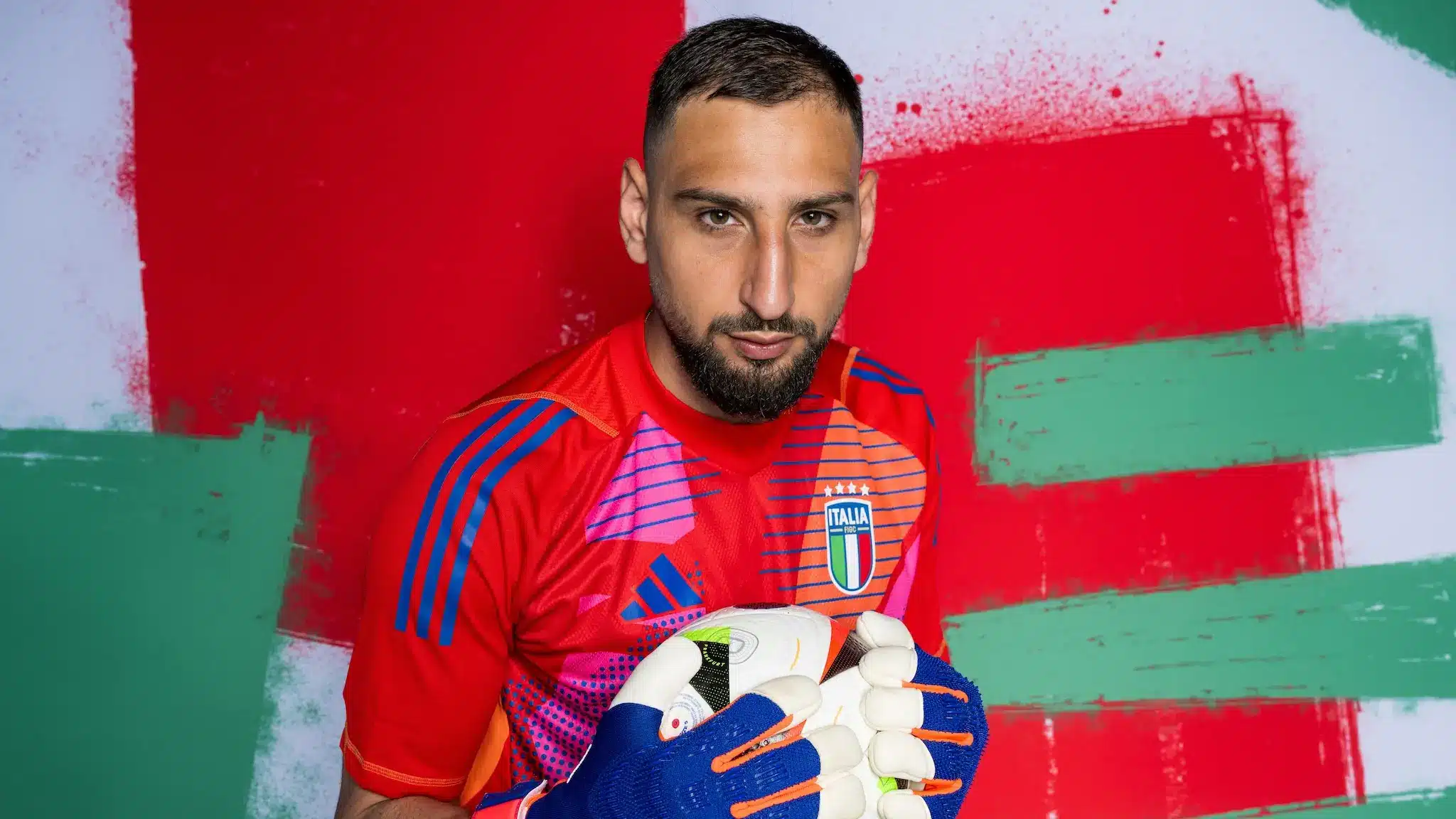
Gianluigi Donnarumma – the Manchester City goalkeeper, Italy’s captain – is the lone concession to experience, present not as a performer but as a guide.
Around him: Pietro Comuzzo, Niccolò Pisilli, Marco Palestra, and Francesco Pio Esposito as the thin connective tissue of recent Nazionale experience, and then a cohort of genuine debutants – Davide Bartesaghi of Milan, Atalanta’s Honest Ahanor, Francesco Camarda on loan at Lecce.
The breadth is remarkable. So is the gamble implicit in it: that these June minutes will mean something when the permanent CT eventually arrives and must decide whether Baldini’s experiment becomes a template or a footnote.
Also notable is how many of these players are based abroad. Beyond the Dortmund trio, Fabio Chiarodia operates at Borussia Mönchengladbach, and Luca Koleosho plays his club football for Paris FC.
Italian coverage has interpreted this frankly – as a tacit admission that Serie A clubs have been slower to guarantee first-team minutes to teenagers, and that the Bundesliga and Ligue 1 academies are, right now, doing Italy’s development work for them.
Why Dortmund Are Watching – and What Italy Risk
The Inacio call-up is where the sporting intrigue sharpens into something more consequential. European coverage has framed this not merely as a routine promotion but as a pre-emptive move – Italy asserting allegiance with a player whose footballing education has been entirely German.
Dortmund’s decision to extend his contract to 2029 and hand him a Bundesliga debut in the same month as his senior international call-up is not coincidental.
With the Italy head coach role still unresolved, the question of who shapes this generation’s identity – Italian federation or German club infrastructure – is live and unresolved.
Mane and Reggiani present a different kind of case. Neither arrives on the back of sustained senior minutes.
Their call-ups are projections, bets on physical and technical profiles that have impressed in youth football but remain untested at the top level.
That is the nature of this squad: it is a futures market, not a statement of current strength.
Whether Italy’s leverage over these dual-eligible talents holds will depend on what comes next.
A permanent coach who shelves the experiment and returns to the familiar Azzurri names risks losing the window entirely.
Inacio, embedded at Dortmund, extending contracts, scoring on Bundesliga debut – he does not need Italy to believe in him. Italy needs him to believe in Italy.
That is the tension at the heart of Baldini’s squad. The philosophy is right. The urgency is earned.
After two consecutive World Cup absences, the Azzurri cannot afford to wait for talent to come to them.
They have to go and get it. The Dortmund pipeline suggests they know where to look. Keeping what they find is the harder part.