AC Milan’s summer is barely underway and already the questions are multiplying.
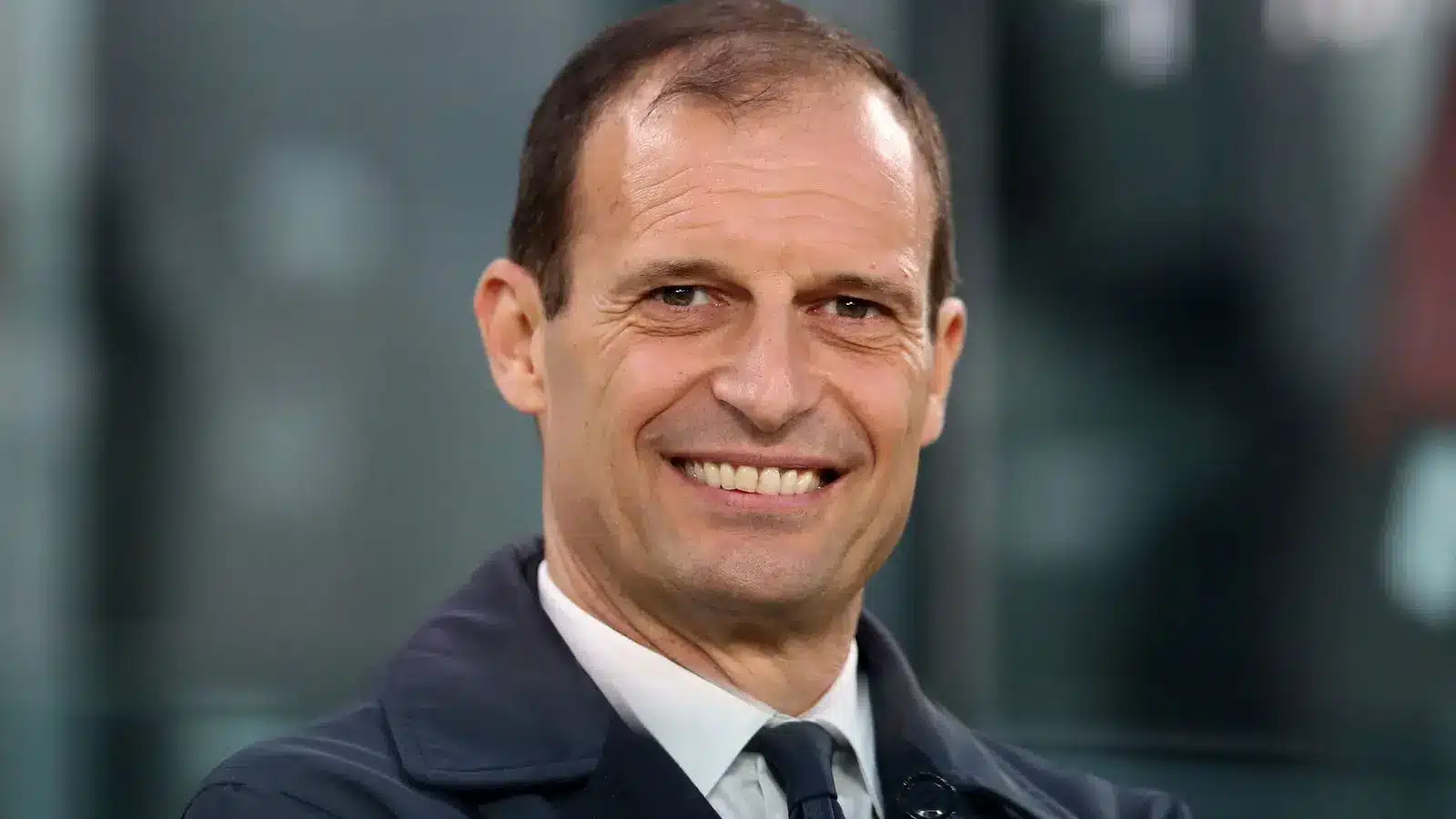
The sacking of Max Allegri came as a surprise to the Rossoneri squad, but perhaps none more consequential than the fresh doubt it has cast over the immediate future of the club’s most influential midfielder.
According to Tuttomercatoweb, Luka Modric – who has yet to sign a contract renewal at the Rossoneri – had made Allegri’s continued presence one of his explicit conditions for staying at the club.
With the manager now gone and Champions League football also absent from next season’s calendar, the Croatian’s future at Milan is suddenly and seriously in question again.
Luka Modric: The Architect Milan Built Around
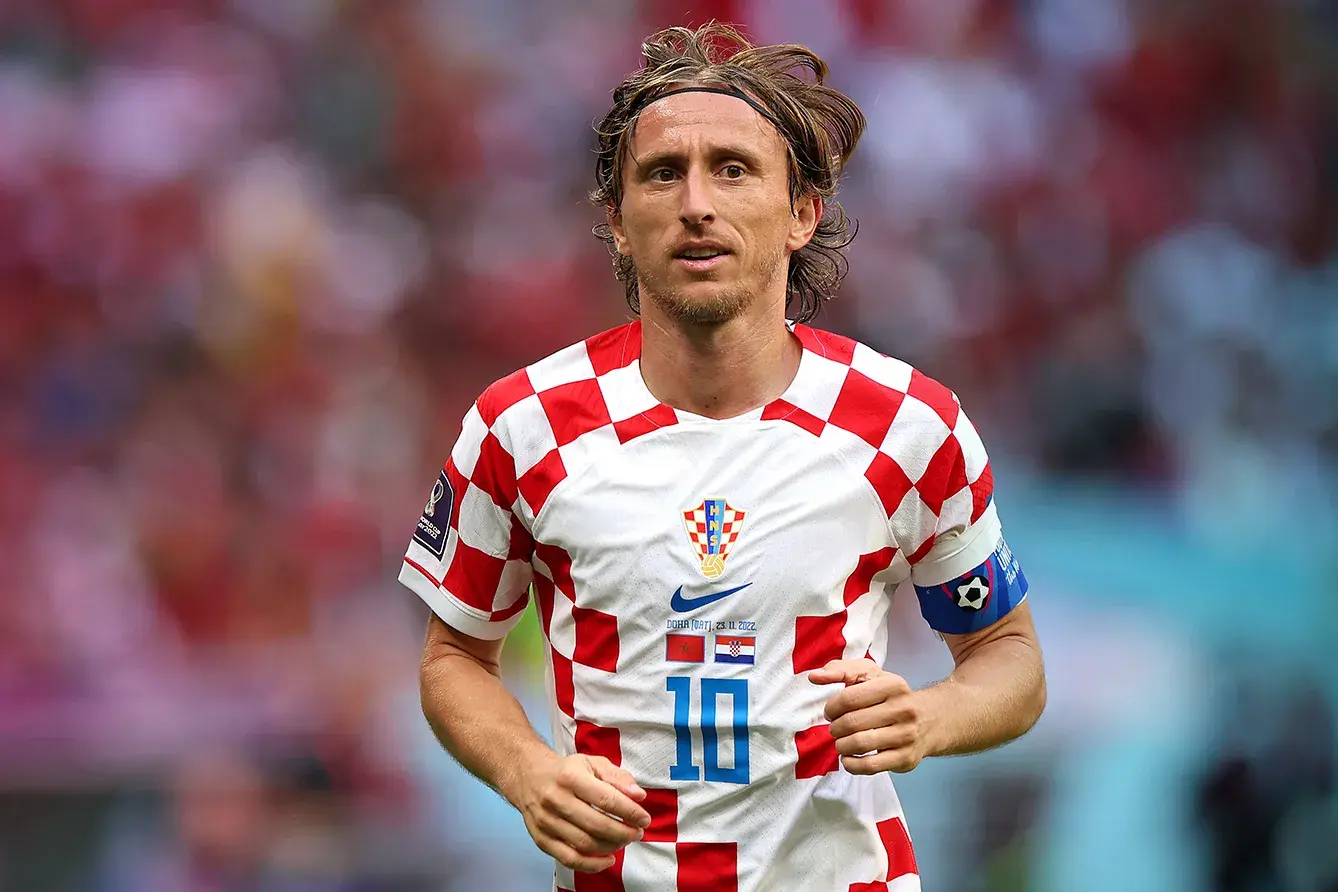
Now 40 years old, Modric needs little introduction to any student of the modern game.
The 2018 Ballon d’Or winner spent the defining chapter of his career at Real Madrid, where he became the spine of arguably the greatest club side of the past two decades, collecting five Champions League titles and redefining what a central midfielder could be at the highest level.
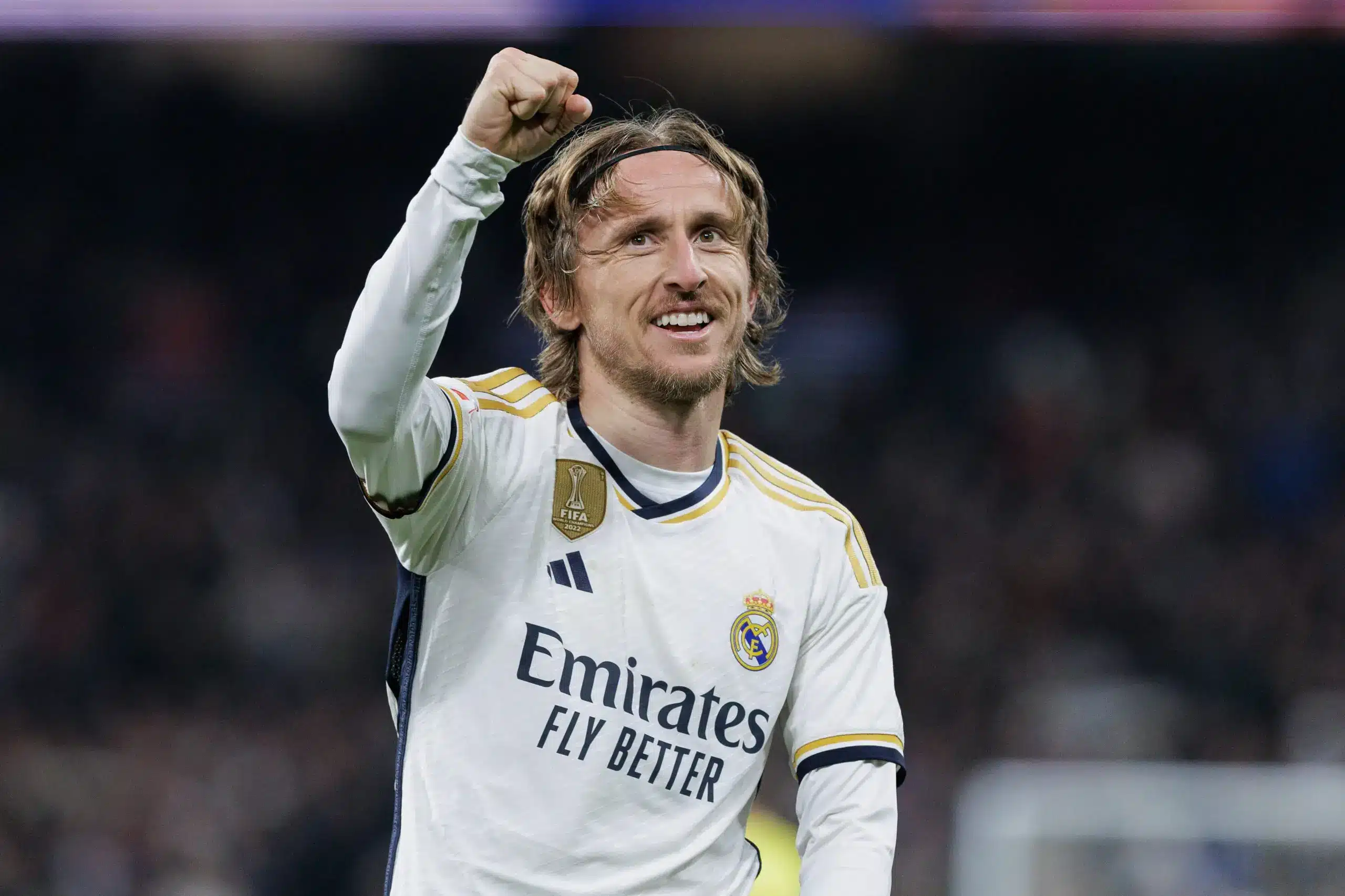
His arrival at Milan on a free transfer last summer – signing an initial one-year deal after the Club World Cup – was framed as the centrepiece of Allegri’s rebuild, a statement of intent that calcio could still attract its finest.
What followed exceeded most expectations. Modric started 32 of 34 Serie A matches and logged 2,788 minutes, more than in any of his last five seasons at the Bernabéu, and was by some distance Milan’s most reliable creative presence in an otherwise disappointing campaign.
A fractured cheekbone sustained in a 0–0 draw with Juventus – the result of a clash with Manuel Locatelli – ruled him out for the final four league games and pushed his decision on the future into the late-May window. The timing now feels grimly significant.
Why Modric’s Future at Milan Is in Doubt Again
The mechanics of Modric’s contract make his personal stance uniquely decisive.
Unlike a standard club option, the one-year extension clause built into his deal can only be activated with his own approval – Milan have no unilateral right to trigger it.
That structure, unusual for a club of the Rossoneri’s scale, effectively places all authority in the player’s hands, and the club has accepted from the outset that it must wait for his call before making any meaningful midfield recruitment decisions.
Before Allegri’s dismissal, reports suggested Modric was leaning toward activating the extension, motivated by the desire to finish his career at the highest level of European football and – crucially – pursue one final Champions League campaign.
Both of those conditions have now been undermined simultaneously. The new manager is unknown, the coaching staff he had grown close to is gone, and the Champions League dream has evaporated with Milan’s failure to secure a top-four finish.
The two pillars that were holding his renewal in place have been kicked away in the space of days. That is the crystallising fact of this situation.
What Modric’s Departure Would Mean for Milan’s Midfield
Strip Modric from this squad and Milan do not simply lose a player – they lose the standard-setter.
His presence in the engine room provided structure, tempo, and a model of professionalism for a dressing room that has younger players still learning what it means to compete week after week at Serie A level.
That mentoring dimension is irreplaceable on the open market.
There had even been suggestions that Modric could eventually transition into a coaching role at the club, a prospect that would have deepened his connection to the Rossoneri’s long-term project.
That possibility now looks remote. Milan’s broader summer planning is already complex enough – as our coverage of Milan’s transfer targets including Goretzka and Kim Min-jae makes clear – and losing Modric adds an urgent midfield vacancy to an already crowded agenda.
The Obstacle: No Europe, No Allegri, No Easy Answer
The 2026 World Cup looms large on Modric’s personal horizon. Croatian and international reports consistently identify the tournament as a key milestone – he is expected to reach around 200 caps for Croatia – which has led observers to conclude he would want to remain active at club level until at least that summer.
That logic still holds. What has changed is whether Milan can offer the environment to justify it.
A reported salary of around €3.5 million net remains on the table, but money was never the dominant variable here. Sporting context was.
Without Champions League football and without the manager who made him want to come to Milan in the first place, the proposition looks considerably thinner than it did even a fortnight ago.
Whether a new appointment can change that calculation remains an open question – and Milan may not have long to answer it.
What’s Next for Modric and Milan
The decision window is narrow. Reports indicate Modric’s announcement on whether to trigger his extension was always expected in late May or early June, and that timeline has not shifted despite the upheaval around him.
Who Milan appoint as Allegri’s successor will be read as a signal – the right name could reopen the conversation, the wrong one could close it permanently.
Milan are simultaneously managing uncertainty across the squad – the future of Rafael Leão amid reported Barcelona interest is another thread pulling at the same fraying tapestry.
One of Europe’s most storied clubs now waits on the decision of a 40-year-old who holds every card – and calcio holds its breath to see which way he plays them.